ŞAL ŞAPİK / ŞAL ŞEPİK / GEJ
Although the exact date of Şal Şapik is not known, the dress of Şeref Han (the Bey of Bitlis) made of şal şapik in a representative painting proves that the history of Şal Şapik dates back to before the 15th century. Today, it is still woven in Muş, Van, Şırnak, Batman, Siirt, Bitlis, and Hakkari.
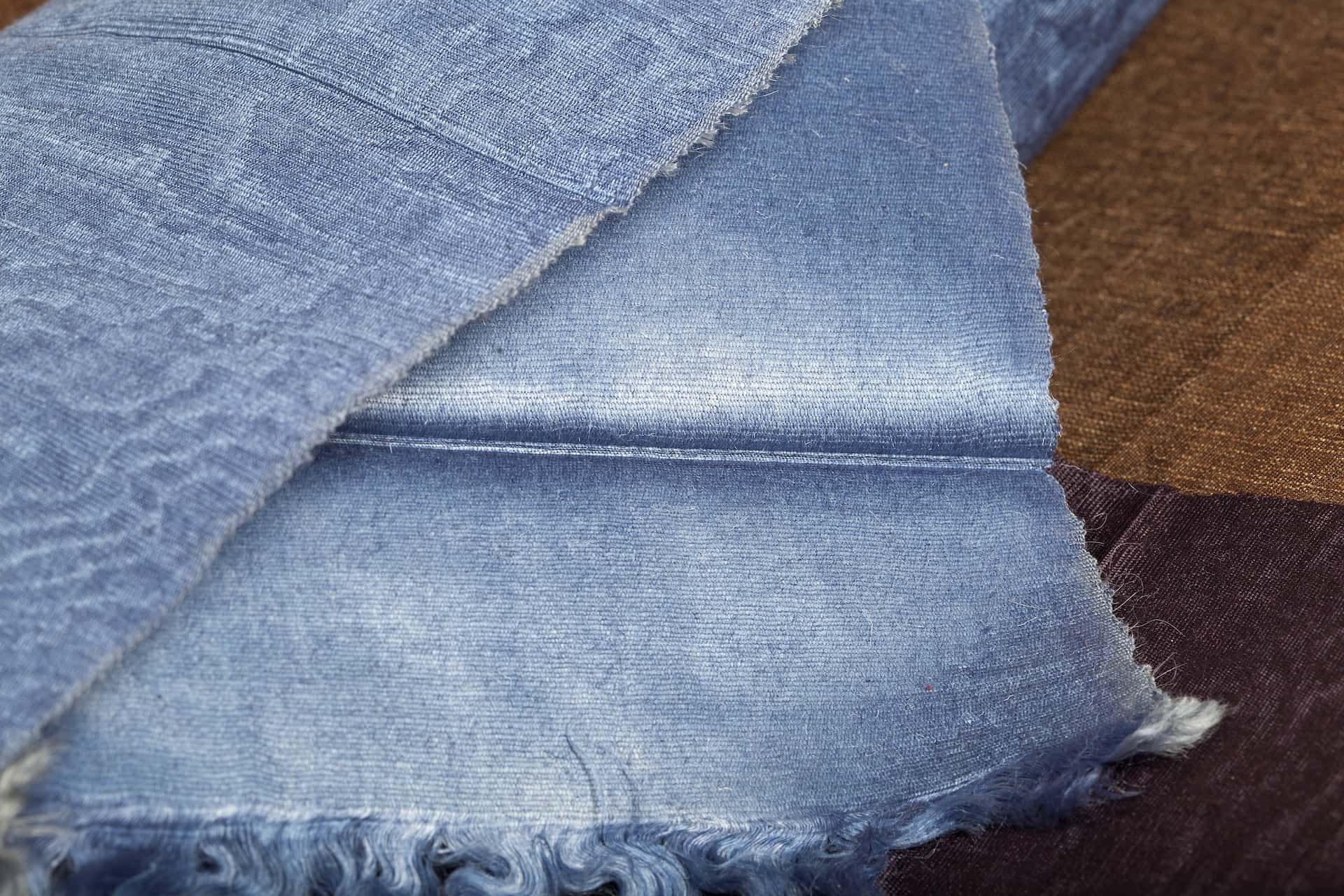
It is woven in plain weave with thin and twisted wool warps and mohair or wool wefts. It is also known as şal şepik or gej in the region. Şal Şapik is also a men’s upper garment consisting of three pieces: şal (wide straight cut trousers), şapik (long sleeved shirt), and vest. Şal Şapik has started to be used as a fabric name with the diversification of its area of use.
According to the region where it is woven, its width varies between 30-40 cm. The colors used are brown (natural wool color), black (natural wool color), purple, dark blue, red, and cerule. Şal Şapik weaves are used in the production of loose robes, pants/trousers, jackets, curtains, and traditional men’s suits.