İSTANBUL
ŞİLE BEZİ
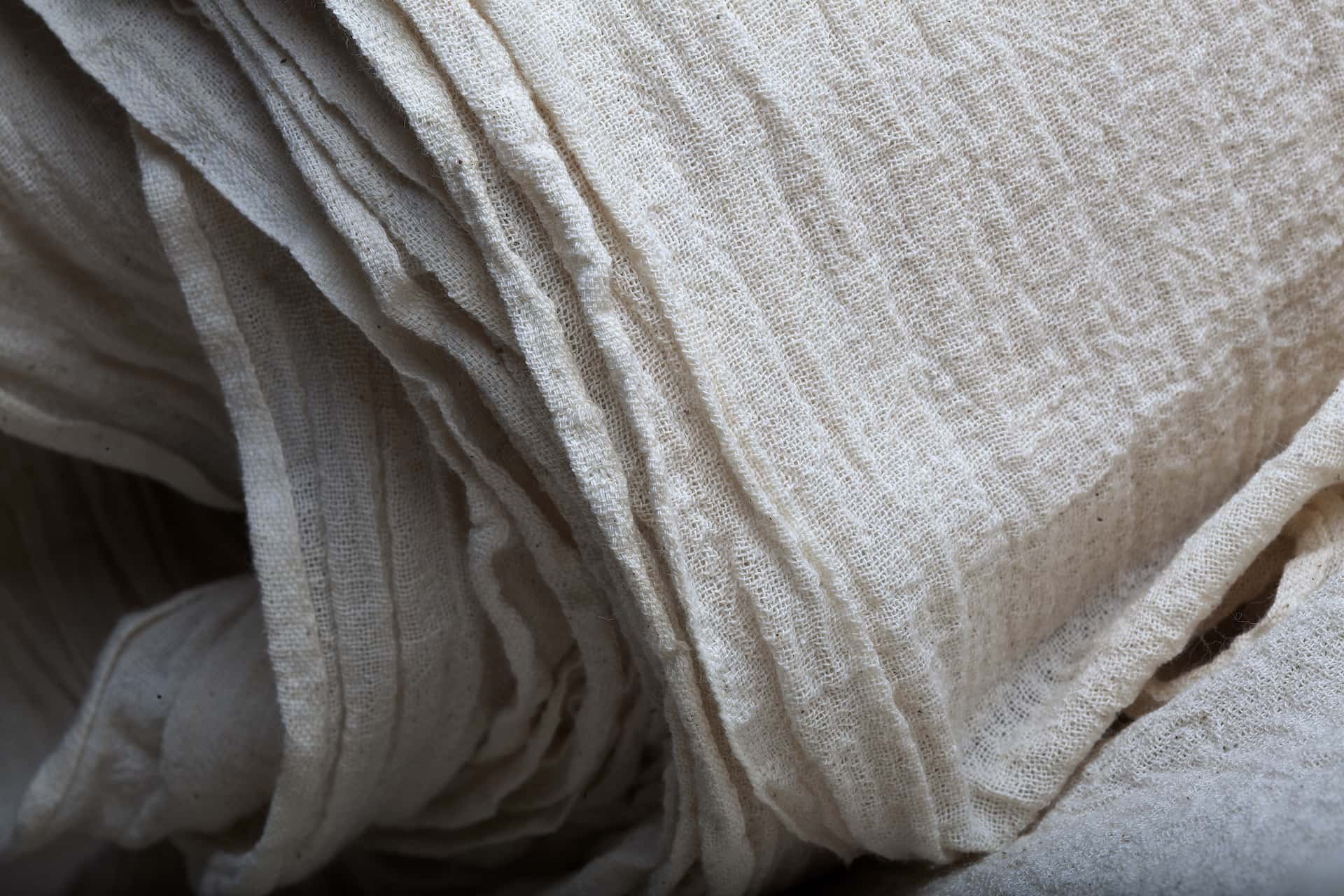
Şile Bezi, İstanbul ili Şile ilçesinde dokunmaktadır. Şile Bezi’nin tarihi Osmanlı Türklerinin Şile’ye yerleşmesine kadar dayanmaktadır. 14. yüzyılda Şile ve çevresine yerleşen Manavlar keten malzemeli el dokumaları ile ünlenmiştir. Bünyesinde birçok kültürün izlerini taşıyan Şile Bezi, özellikle Manav ve Rumların kültürlerinin ve dokuma deneyimlerinin ortak bir ürünüdür.
Şile Bezi; doğal beyaz renkte pamuk ve keten malzemeler ile normal bükümde pamuk ya da keten çözgü ve çözgüye göre daha bükümlü pamuk ya da keten atkı kullanılarak bezayağı dokuma örgüsüyle dokunmaktadır. Bazı örneklerde ipek malzeme de kullanılmıştır. Şile Bezi’nin en karakteristik özelliği; dokuma işlemi bittikten sonra kaymaklama adı verilen bezlerin kireç kaymağında bekletilmesi ve ardından Karadeniz’in az tuzlu nitelikteki suyunda yıkanması ve kumların üzerinde kurutulmasıdır. Kumaşların incelik ve kıvraklık gibi farklı niteliklerine göre aldıkları isimler “Melez Bez”, “Bürümcük Bez”, “Kasterli Bez” ve “Ham Bez”’dir. Şile Bezi’nin desensiz ve desenli olmak üzere iki farklı çeşidi vardır. Desenli Şile bezleri, dokuma sırasında renkli desen iplikleri ile desenlenmektedir. Şile Bezi, yağlık, peşkir, çevre, mendil, uçkur, sofra örtüsü, bohça, yatak örtüsü ve çeşitli büyüklükte örtüler, gömlek, don/şalvar, iç çamaşırı, entari ve başörtüsü olarak kullanılır.
Şile Bezi için, Şile Bezini Yaşatma Koruma ve Geliştirme Derneği tarafından 6769 sayılı Sınai Mülkiyet Kanunu kapsamında 26.08.2014 tarihinden itibaren korunmak üzere 272 no.lu mahreç/coğrafi işaret alınmıştır.